Building a Brand Identity for Small and Medium Businesses: From Logo to Customer Experience
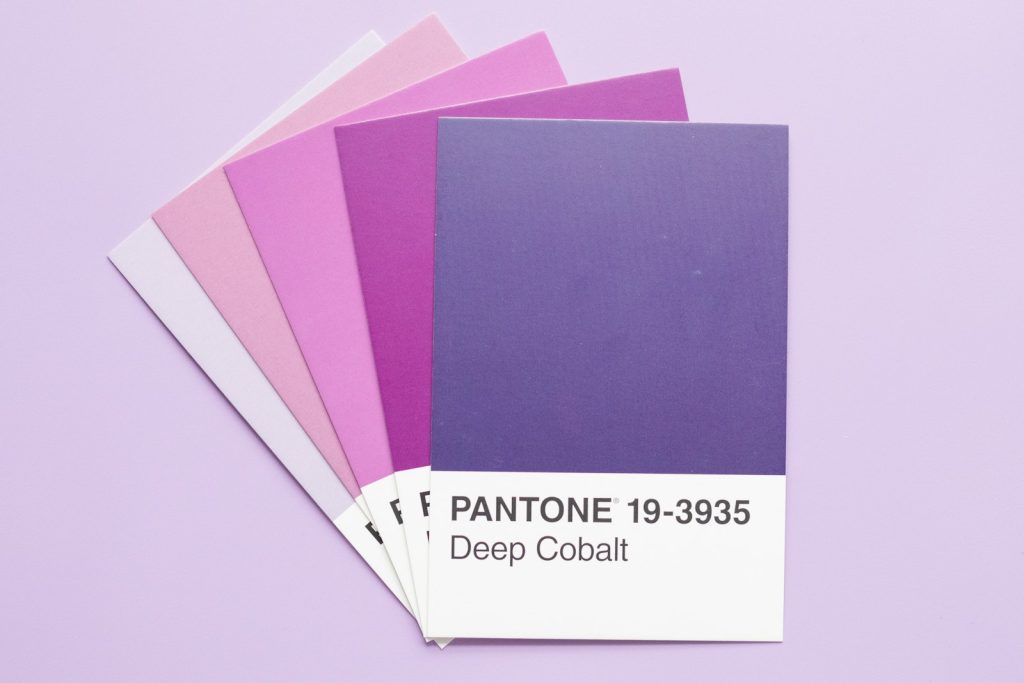
A brand identity is the set of visual elements that represent your brand and make it distinctive and memorable: logo, colours, typography, photo and illustration style, and how all of these are applied at every customer touchpoint. It is part of a wider concept, the brand, which also includes values, message, tone and experience. For small and medium businesses in Jordan and the Gulf, a clear identity creates a professional impression that helps them compete with larger companies.
Why identity is worth the investment
- Trust: a consistent identity signals professionalism and stability.
- Recall: fixed colours and shapes help people recognise you quickly in a crowded feed.
- Differentiation: it helps you stand apart from competitors.
- Efficiency: clear brand guidelines save time on every new design and prevent random improvisation.
Start with strategy, not design
The most common mistake is jumping straight to the logo. Before designing, answer these questions:
- Who exactly is your target audience, and what do they care about?
- What problem do you solve, and why are you different from competitors?
- Which values do you want your brand associated with?
- If your brand were a person, how would it speak and behave?
- What impression should customers leave with after dealing with you?
The answers become the yardstick for every design decision.
Elements of a brand identity
Logo
It should be simple, legible at small sizes like an app icon or profile picture, and work in full colour and in one colour. Design several versions: horizontal, stacked and a standalone symbol.
Colours
A defined palette with one primary colour and two or three supporting ones, with exact codes for print and screen. Check contrast with text to keep everything readable.
Typography
One typeface for headings and one for body text, with Arabic and English fonts harmonised in weight and character if you communicate in both languages.
Photo and illustration style
Define the type of imagery you use: photos or illustrations? Warm or cool tones? People or products? This consistency makes your accounts and ads recognisable even without the logo.
Tone of voice
Part of the identity even if it isn’t visual: formal or friendly? Classical Arabic or closer to dialect?
Brand guidelines: the document that protects your brand
Brand guidelines explain how to use every element: clear space around the logo, incorrect uses, colour and type application, and examples of posts, ads and print. Share them with everyone who designs for you, from your internal team to any outside supplier.
Apply the identity at every touchpoint
- Your website and landing pages.
- Social media accounts: profile pictures, covers and post templates.
- Digital ads in every size.
- Print: business cards, invoices and packaging.
- Physical space: signage, interior and staff uniforms.
- Service experience: how you answer the phone and WhatsApp.
Identity in a digital world
Most customer interaction with your brand now happens on a small phone screen. Make sure your logo is clear in a round profile picture, your colours work in light and dark mode, and your templates work for square posts, stories and vertical video.
Common mistakes
- Imitating a famous brand’s logo or using templates many others use.
- Too many colours and fonts without a system.
- Changing the identity constantly to follow trends.
- Not registering the trademark to protect it.
Stages of a brand identity project
- Discovery: sessions with decision-makers to understand the vision, audience and competitors, plus a review of existing materials.
- Strategy: defining the brand personality, values and core message.
- Creative directions: presenting two or three directions with different mood boards before going into detail.
- Design and refinement: logo, colours, typography and supporting elements, tested on real applications.
- Guidelines and handover: logo files in every format, usage guidelines, and templates for posts and print.
How do you know your identity is working?
Test it with simple questions: do people recognise your posts before reading the name? Do your accounts, website and printed materials look like they come from the same company? Can a new designer on your team produce a consistent design using the guidelines alone? Does the identity reflect the impression you defined during strategy? If the answers are yes, your identity is doing its job. If not, the problem is usually missing guidelines or not following them, rather than the logo itself.
The bottom line
A strong brand identity starts with a deep understanding of your brand and audience, translates into simple, consistent elements, and is applied with discipline everywhere. It is an investment that supports your company’s growth for years.
Want to apply these steps to your brand? The eBoosters team offers design and brand identity, and we start with a free consultation to understand your goals and suggest a clear, practical plan. You can also message us directly on WhatsApp.
Frequently Asked Questions
How much does a brand identity cost?
Costs vary widely with scope: a logo only, or a full identity with brand guidelines and applications. What matters is comparing what each proposal actually includes, not price alone.
When do I need a rebrand?
When your services or audience change significantly, when the identity looks dated or inconsistent, or when it doesn’t work well on digital platforms. A gradual refresh is sometimes better than a complete change.
Do I need Arabic and English versions of my name and logo?
If you speak to a bilingual audience, it is best to design two harmonised versions of your logo and typography so the identity stays unified everywhere.